

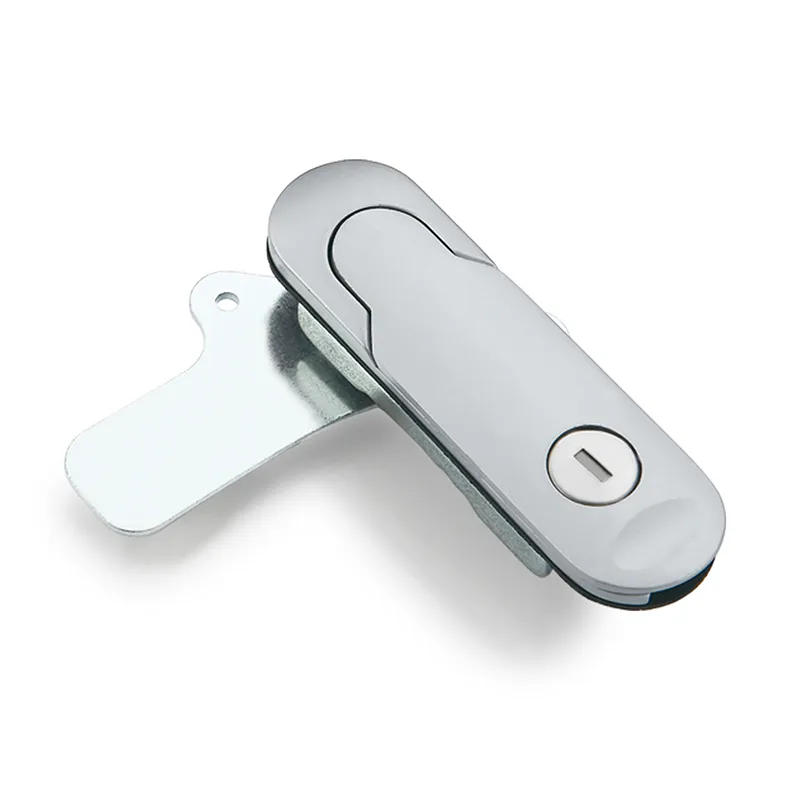
As a supplier of Clamping Plane Locks, I understand the importance of ensuring that these products reach our customers in perfect condition. The Clamping Plane Lock, available at Clamping Plane Lock, is a crucial component in many industrial applications. However, during transportation, it can be vulnerable to damage. In this blog post, I will share some effective strategies to prevent the Clamping Plane Lock from being damaged during transportation.
Understanding the Vulnerabilities of Clamping Plane Locks
Before we delve into the prevention methods, it's essential to understand why Clamping Plane Locks are at risk during transportation. These locks are often made of metal or other durable materials, but they can still be damaged by impacts, vibrations, and environmental factors. The precision parts of the lock, such as the locking mechanism and the clamping surface, are particularly susceptible to damage. Even a small scratch or dent can affect the performance of the lock, leading to issues such as improper locking or unlocking.
Proper Packaging
One of the most important steps in preventing damage during transportation is proper packaging. The packaging should be designed to protect the Clamping Plane Lock from physical impacts, vibrations, and environmental factors such as moisture and dust.
Use High - Quality Packaging Materials
Choose packaging materials that are strong and shock - absorbing. Corrugated cardboard boxes are a popular choice as they provide good protection against impacts. Inside the box, use foam inserts or bubble wrap to cushion the lock. These materials can absorb the shock of any impacts during transportation and prevent the lock from moving around inside the box.
Custom - Fit Packaging
For Clamping Plane Locks, custom - fit packaging is ideal. This means that the packaging is designed specifically to fit the shape and size of the lock. Custom - fit packaging reduces the amount of movement inside the box, which in turn reduces the risk of damage. It also ensures that the lock is held securely in place, preventing it from being jostled during transit.
Sealing the Package
Once the lock is placed in the packaging, seal it properly. Use strong adhesive tape to seal all the edges of the box. This not only keeps the contents inside the box but also provides an additional layer of protection against dust and moisture.
Handling and Loading
Proper handling and loading of the Clamping Plane Locks are also crucial to prevent damage during transportation.
Trained Staff
Ensure that the staff involved in handling and loading the locks are properly trained. They should know how to handle the locks gently and avoid dropping or throwing them. Training should also cover the proper use of lifting equipment, if any, to prevent any accidental damage.

Loading Techniques
When loading the Clamping Plane Locks onto the transportation vehicle, use proper loading techniques. Place the packages in an orderly manner and avoid over - stacking. Over - stacking can cause the bottom packages to be crushed, leading to damage to the locks inside. If possible, use pallets to stack the packages. Pallets provide a stable base and make it easier to move the packages around.
Transportation Conditions
The conditions during transportation can have a significant impact on the condition of the Clamping Plane Locks.
Temperature and Humidity Control
If the transportation route passes through areas with extreme temperatures or high humidity, it's important to take precautions. For example, if the lock is sensitive to moisture, consider using moisture - resistant packaging or desiccant packs inside the box. In extreme temperature conditions, insulated packaging can help protect the lock from temperature - related damage.
Vehicle Maintenance
The vehicle used for transportation should be well - maintained. A poorly maintained vehicle can cause excessive vibrations, which can damage the locks. Regularly check the suspension, tires, and other components of the vehicle to ensure a smooth ride.
Insurance and Tracking
Even with all the preventive measures in place, there is still a small risk of damage during transportation. That's why it's important to have insurance for the Clamping Plane Locks. Insurance can provide financial protection in case of any damage or loss during transit.
In addition, use a tracking system to monitor the progress of the shipment. Tracking allows you to know the exact location of the locks at any time and can help you identify any potential issues early on. If there are any delays or problems with the shipment, you can take immediate action to minimize the risk of damage.
Related Products and Their Transportation Considerations
In addition to the Clamping Plane Lock, we also supply other related products such as the Paddle Handle Latch and the Distribution Box Quarter Turn Lock. These products also require proper transportation protection.
The Paddle Handle Latch, with its unique design, may be more vulnerable to damage to the handle part. Similar packaging and handling techniques should be applied, with extra care taken to protect the handle.
The Distribution Box Quarter Turn Lock, often used in electrical distribution boxes, needs to be protected from electrical interference and physical damage. Specialized packaging that provides electrical insulation may be required in some cases.
Conclusion
Preventing the Clamping Plane Lock from being damaged during transportation requires a comprehensive approach that includes proper packaging, handling, transportation conditions, and insurance. By following these strategies, we can ensure that our customers receive high - quality Clamping Plane Locks that are in perfect working condition.
If you are interested in purchasing our Clamping Plane Locks, Paddle Handle Latches, or Distribution Box Quarter Turn Locks, please feel free to contact us for more information and to start a procurement negotiation. We are committed to providing you with the best products and services.
References
- Packaging Industry Standards for Industrial Locks
- Transportation Best Practices for Precision Components
- Guidelines for Handling and Shipping Metal Products


