

Hey there! As a supplier of rod control locks, I often get asked if a rod control lock can be used for wooden rods. Well, let's dive right into this topic and find out if it's a good fit.
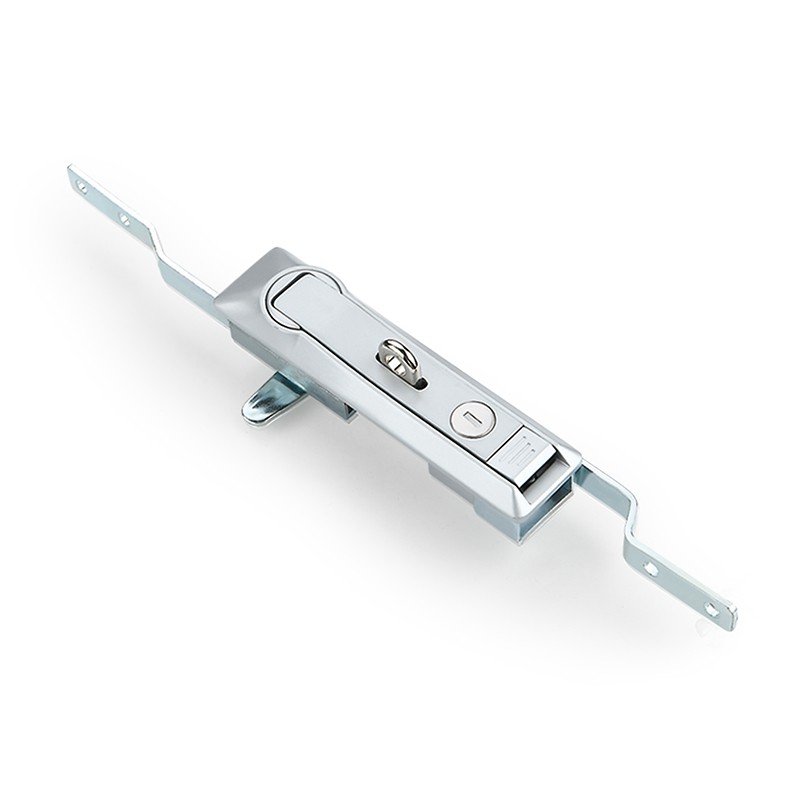
So, what exactly is a rod control lock? It's a type of lock mechanism that uses rods to transfer the locking action from the lock cylinder to the locking points. These locks are commonly used in various applications, such as Network Cabinet Lock, Zinc Alloy Swing Handle Lock, and Industrial Distribution Cabinet Chassis Lock. They're designed to provide a secure and reliable way to lock cabinets, enclosures, and other equipment.
Now, when it comes to using a rod control lock for wooden rods, there are a few things to consider. First of all, the strength and durability of the wooden rods are crucial. Wood can vary in density and hardness, which means that not all types of wood will be suitable for use with a rod control lock. For example, softwoods like pine or cedar may not be strong enough to withstand the force exerted by the lock rods, especially if the lock is used frequently or in high - stress situations.

On the other hand, hardwoods such as oak, maple, or mahogany are generally stronger and more robust. They can better handle the pressure from the lock rods without splintering or breaking. If you're planning to use wooden rods with a rod control lock, it's advisable to choose a hardwood that has a high density and good grain structure.
Another important factor is the installation process. When installing a rod control lock on wooden rods, you need to make sure that the rods are properly aligned and drilled to accommodate the lock components. You'll need to drill holes in the wooden rods for the lock rods to pass through, and these holes must be the right size and depth. If the holes are too small, the lock rods may not fit properly, and if they're too large, the lock may not function correctly.
It's also essential to use the right hardware and fasteners when installing the lock on the wooden rods. Screws or bolts that are too long or too short can cause problems. For example, long screws may penetrate through the other side of the rod and damage it, while short screws may not provide enough holding power. You might want to use wood screws that are specifically designed for the type of wood you're working with.
In terms of the lock's functionality, a rod control lock can work well with wooden rods if the above factors are taken into account. The lock can provide a secure locking mechanism for wooden enclosures or cabinets. For instance, if you have a wooden storage cabinet and you want to add an extra layer of security, a rod control lock can be a great option. The lock rods can extend into the frame of the cabinet, preventing it from being easily opened.
However, there are some limitations. Wood is a natural material, and it can expand and contract with changes in temperature and humidity. This can cause the alignment of the lock components to shift over time. If the wooden rods expand, the lock rods may become jammed, and if they contract, the lock may not engage properly. To mitigate this issue, you can use a lock with some degree of adjustability or install the lock in an environment where the temperature and humidity are relatively stable.
Let's talk about the advantages of using a rod control lock for wooden rods. One of the main benefits is the increased security. A rod control lock provides multiple locking points, which makes it much more difficult for someone to force open the wooden cabinet or enclosure. It's a great deterrent against unauthorized access.
Another advantage is the convenience. Once the lock is installed correctly, it's easy to use. You can simply insert the key and turn it to lock or unlock the wooden rods. This is much more convenient than using other types of locks, such as padlocks, which may require additional steps to secure and remove.
Now, let's consider the disadvantages. As mentioned earlier, the expansion and contraction of wood can cause problems with the lock's functionality. Additionally, the installation process can be a bit tricky, especially if you're not experienced with woodworking. You need to have the right tools and skills to drill the holes accurately and install the lock properly.
If you're on the fence about whether to use a rod control lock for your wooden rods, it might be a good idea to do a small test first. You can take a scrap piece of the same type of wood you plan to use and install a sample lock on it. This will allow you to see how well the lock works with the wood and if there are any issues that need to be addressed before you commit to installing it on your entire project.
In conclusion, a rod control lock can be used for wooden rods, but it's not a one - size - fits - all solution. You need to carefully consider the type of wood, the installation process, and the environmental conditions. If you choose the right wood, install the lock correctly, and take steps to account for the wood's natural properties, a rod control lock can provide a secure and convenient locking solution for your wooden cabinets or enclosures.
If you're interested in purchasing rod control locks for your wooden rod projects, we're here to help. We offer a wide range of high - quality rod control locks that are suitable for various applications. Whether you need a lock for a small wooden cabinet or a large industrial wooden enclosure, we've got you covered. Just get in touch with us to discuss your specific requirements, and we'll work with you to find the best solution.
References:
- Woodworking manuals and guides
- Lock manufacturer's product specifications and installation instructions


