

Hey there! I'm here as a plane lock supplier to share with you how to clean a plane lock. Cleaning your plane locks regularly isn't just about making them look good; it's crucial for their proper functioning and longevity.
First off, let's talk about why cleaning plane locks is so important. Over time, dirt, dust, grime, and even rust can build up on the surface and inside the lock mechanisms. This buildup can cause the lock to jam, make it harder to turn the key or operate the combination, and in severe cases, it can even lead to permanent damage. So, keeping your plane locks clean is a simple yet effective way to ensure they work smoothly and last a long time.
Now, let's get into the nitty - gritty of the cleaning process. The first step is to gather the necessary tools. You'll need a few basic items like a soft - bristled brush (an old toothbrush works great), a can of compressed air, a mild cleaning solution (like dish soap mixed with water), a clean cloth, and some lubricant.
Step 1: Prepare the Lock
Before you start cleaning, make sure the lock is in a safe and accessible position. If it's on a door or a piece of equipment, close the door or secure the equipment so that you can work on the lock without any distractions or safety risks. Remove any loose debris or dirt from the surface of the lock using your soft - bristled brush. Gently brush around the keyhole, the latch area, and any other visible parts of the lock. This will help to loosen up the larger particles of dirt and make the cleaning process easier.

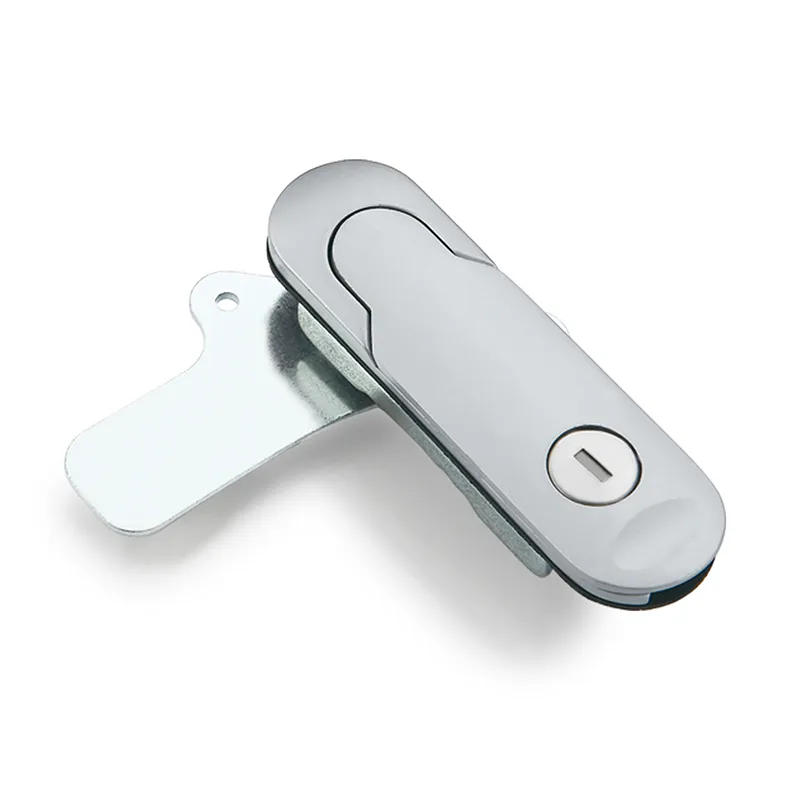
Step 2: Clean the Exterior
Next, it's time to clean the exterior of the lock. Dip your clean cloth into the mild cleaning solution and wring it out so that it's damp but not dripping. Wipe down the entire surface of the lock, paying special attention to areas that are visibly dirty or greasy. Use the brush to get into any crevices or hard - to - reach places. Be careful not to get the cleaning solution inside the keyhole or other sensitive parts of the lock, as this could cause damage. After wiping the lock, use a dry cloth to dry it off completely. This will prevent any water spots or rust from forming.
Step 3: Clean the Keyhole
The keyhole is one of the most important parts of the lock, and it can easily get clogged with dirt and debris. To clean the keyhole, use the can of compressed air. Hold the can about an inch away from the keyhole and spray short bursts of air into it. This will help to blow out any dirt or debris that may be stuck inside. You can also use a small, thin object like a toothpick or a key to gently scrape out any stubborn dirt that the compressed air didn't remove. But be very careful not to damage the inside of the keyhole.
Step 4: Lubricate the Lock
Once the lock is clean and dry, it's time to lubricate it. Lubrication is essential for smooth operation of the lock. You can use a silicone - based lubricant or a graphite powder. If you're using a lubricant, apply a small amount to the key and insert the key into the keyhole several times. This will help to distribute the lubricant evenly inside the lock. If you're using graphite powder, use a small brush to apply the powder into the keyhole. Then, insert and turn the key a few times to work the powder into the lock mechanism.
Step 5: Test the Lock
After lubricating the lock, test it to make sure it's working properly. Insert the key into the keyhole and turn it to lock and unlock the lock several times. If it's a combination lock, enter the combination and operate the lock as normal. If the lock is still not working smoothly, you may need to repeat the cleaning and lubrication process or consult a professional locksmith.
Now, let's talk about different types of plane locks and any special cleaning considerations for them.
Lift and Turn Combination Lock
The Lift and Turn Combination Lock is a popular type of plane lock. When cleaning this type of lock, be extra careful around the combination dial. Make sure not to get any cleaning solution or lubricant on the dial, as this could affect the accuracy of the combination. Use the soft - bristled brush to clean around the dial and the lift and turn mechanism.
Paddle Handle Latch
The Paddle Handle Latch is another common plane lock. When cleaning this lock, pay special attention to the paddle handle itself. The handle can get dirty and greasy from frequent use. Use the cleaning solution and the brush to clean the handle thoroughly. Also, make sure to clean the latch area to ensure smooth operation.
Quarter Turn Cam Lock with Key
The Quarter Turn Cam Lock with Key has a unique cam mechanism. When cleaning this lock, focus on the cam area and the keyhole. Use the compressed air to clean out any debris from the cam mechanism, and lubricate it well to ensure that it turns smoothly.
In addition to regular cleaning, it's also a good idea to inspect your plane locks periodically for any signs of wear and tear. Look for loose parts, damaged keys, or any other issues that could affect the performance of the lock. If you notice any problems, it's best to address them as soon as possible to avoid further damage.
As a plane lock supplier, I know how important it is to keep your locks in top - notch condition. Whether you're using locks for industrial equipment, residential doors, or commercial applications, proper cleaning and maintenance can save you a lot of hassle and money in the long run.
If you're in the market for high - quality plane locks or need any advice on lock maintenance, I'd love to help. We offer a wide range of plane locks, including the Lift and Turn Combination Lock, Paddle Handle Latch, and Quarter Turn Cam Lock with Key. Our locks are made from high - quality materials and are designed to provide reliable performance. Contact us to start a procurement discussion, and let's find the perfect locks for your needs.
References
- "Locksmithing Basics: Maintenance and Repair" by Locksmith Journal
- "The Complete Guide to Lock Care" by Home Maintenance Magazine


