

As a reputable supplier of Clamping Plane Locks, I understand the critical importance of ensuring these locks are in optimal condition. A well - functioning Clamping Plane Lock not only guarantees the security of your equipment but also contributes to the overall efficiency of your operations. In this blog, I'll share some effective methods to check if a clamping plane lock is in good condition.
Visual Inspection
The first step in assessing the condition of a clamping plane lock is a thorough visual inspection. Start by examining the exterior of the lock. Look for any signs of physical damage such as cracks, dents, or scratches. These flaws can compromise the structural integrity of the lock and may lead to premature failure. For instance, a crack in the lock body can allow moisture and debris to enter, causing internal corrosion and affecting the locking mechanism.
Check the surface finish of the lock. A high - quality Clamping Plane Lock should have a smooth and even finish. Any signs of peeling paint or rust are indicators of poor maintenance or a low - quality product. Rust can cause the moving parts of the lock to seize up, making it difficult or impossible to operate.
Inspect the locking components, such as the cam, latch, and keyway. The cam should be free of any wear or deformation. A worn cam may not engage properly with the strike plate, resulting in a loose or insecure lock. The latch should move smoothly in and out of the housing. If it sticks or is difficult to operate, it could be due to dirt, debris, or a damaged spring. The keyway should be clean and undamaged. A damaged keyway can prevent the key from turning smoothly or may even cause the key to break off inside the lock.
Operational Testing
After the visual inspection, the next step is to perform operational testing. Insert the key into the lock and turn it. The key should turn smoothly without any excessive force or resistance. If you encounter difficulty turning the key, it could be a sign of a problem with the internal mechanism. This could be due to a misaligned pin, a damaged tumbler, or dirt and debris inside the lock.
Once the key is turned, check if the lock engages and disengages properly. The cam should rotate fully and lock securely into the strike plate. When unlocking, the cam should retract smoothly, allowing the door or panel to open freely. If the lock does not engage or disengage correctly, it may need to be adjusted or repaired.
Test the locking mechanism multiple times to ensure consistent performance. Sometimes, a lock may work correctly on the first try but fail on subsequent attempts. This could indicate a problem with the internal components that only becomes apparent after repeated use.
Compatibility Check
It's also essential to check the compatibility of the Clamping Plane Lock with the door or panel it is installed on. The lock should fit snugly into the designated mounting holes. If the holes are too large or too small, the lock may not be installed correctly, which can affect its performance.
The strike plate should be properly aligned with the lock. A misaligned strike plate can prevent the cam from engaging fully, resulting in a weak or insecure lock. Make sure the strike plate is securely attached to the door frame or panel. Loose strike plates can cause the lock to rattle and may eventually lead to damage.
Environmental Considerations
The environment in which the Clamping Plane Lock is installed can also have a significant impact on its condition. If the lock is exposed to harsh weather conditions, such as extreme heat, cold, or high humidity, it may be more prone to corrosion and damage. In such cases, it's important to choose a lock that is designed to withstand these environmental factors.
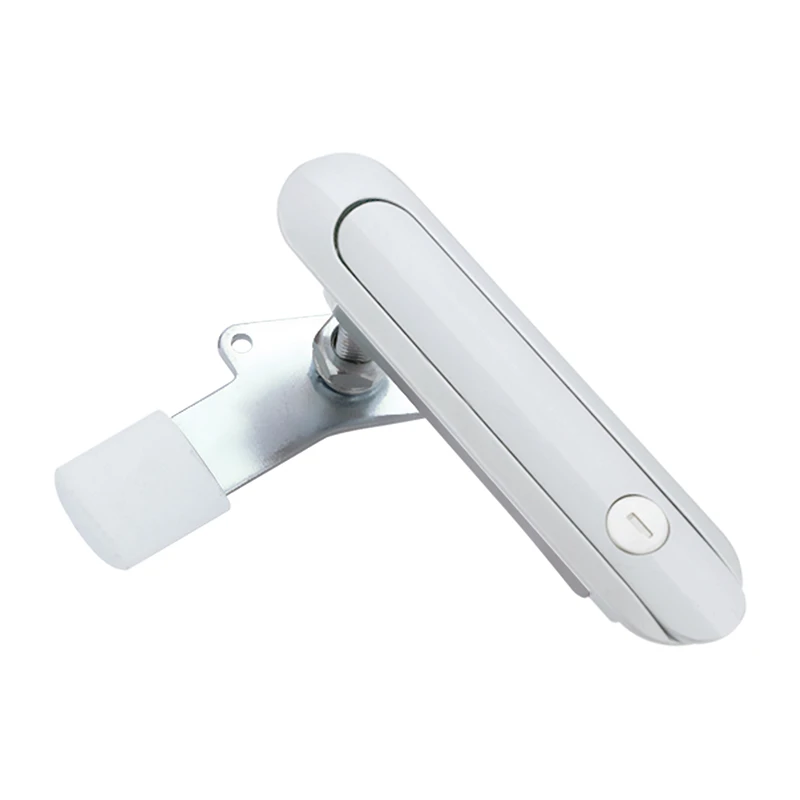

For example, if the lock is installed outdoors, it should be made of corrosion - resistant materials such as stainless steel or brass. These materials are less likely to rust or corrode when exposed to moisture and oxygen. Additionally, consider using a weatherproof cover or seal to protect the lock from the elements.
If the lock is installed in a dusty or dirty environment, it may be necessary to clean it regularly to prevent dirt and debris from accumulating inside the lock. You can use a soft brush or compressed air to remove any loose dirt or debris from the lock and its components.
Comparison with Similar Locks
If you have multiple Clamping Plane Locks installed in your facility, compare the performance of the lock in question with the others. If one lock is performing significantly differently from the rest, it may be a sign of a problem. For example, if one lock is much more difficult to operate or has a different level of security, it could be due to a manufacturing defect or damage.
When to Replace a Clamping Plane Lock
If, after performing all the above checks, you find that the Clamping Plane Lock is in poor condition, it may be time to replace it. Some signs that indicate a lock needs to be replaced include:
- Excessive wear or damage that cannot be repaired.
- Frequent operational problems that persist even after cleaning and lubrication.
- A significant decrease in security due to a damaged or worn - out locking mechanism.
As a supplier of Clamping Plane Locks, I offer a wide range of high - quality products to meet your specific needs. Our Clamping Plane Lock is designed for durability and security. We also have other types of locks, such as the Paddle Quarter Turn Lock and the Lift and Turn Combination Lock, which provide different levels of security and functionality.
If you are experiencing problems with your current locks or are looking to upgrade your security, I encourage you to contact me for a consultation. We can discuss your specific requirements and recommend the best locking solution for your application. Whether you need a single lock or a large - scale installation, I am here to help you make the right choice.
References
- "Locksmithing Handbook" by a well - known locksmithing expert.
- Industry standards and guidelines for lock manufacturing and maintenance.


