

Hey there! As a plane lock supplier, I've been getting a lot of questions lately about how a plane water tank access lock functions. So, I thought I'd take a few minutes to break it down for you.
First off, let's talk about why these locks are so important. Plane water tanks are crucial for providing clean water for various on - board systems, like the lavatories and galleys. The access locks on these tanks need to be reliable to prevent any unauthorized access, which could lead to contamination of the water supply or damage to the tank itself.
Basic Components of a Plane Water Tank Access Lock
Most plane water tank access locks are made up of a few key components. There's the locking mechanism itself, which can be a simple pin or a more complex cam - based system. The lock also has a housing that protects the internal parts from the harsh aircraft environment, including vibrations, temperature changes, and moisture.
The locking mechanism is designed to engage and disengage in a secure way. When the lock is engaged, it holds the access panel tightly in place, preventing it from opening during flight. When it's time to access the tank for maintenance or refilling, the lock can be disengaged.
Different Types of Locks and Their Functions
Push Button Handle Lock
One popular type of lock we supply is the Push Button Handle Lock. This lock is pretty straightforward. You've got a handle with a push - button on it. When you press the button, it releases the locking mechanism inside. This type of lock is great because it's easy to operate. Pilots or maintenance crews can quickly access the water tank by just pushing the button and pulling the handle.
The design of the push - button handle lock also makes it resistant to accidental activation. The button is usually recessed a bit, so it's not likely to be pressed by mistake during normal aircraft operations. And the handle is ergonomically designed, so it's comfortable to grip and use, even when wearing gloves.
Paddle Handle Latch
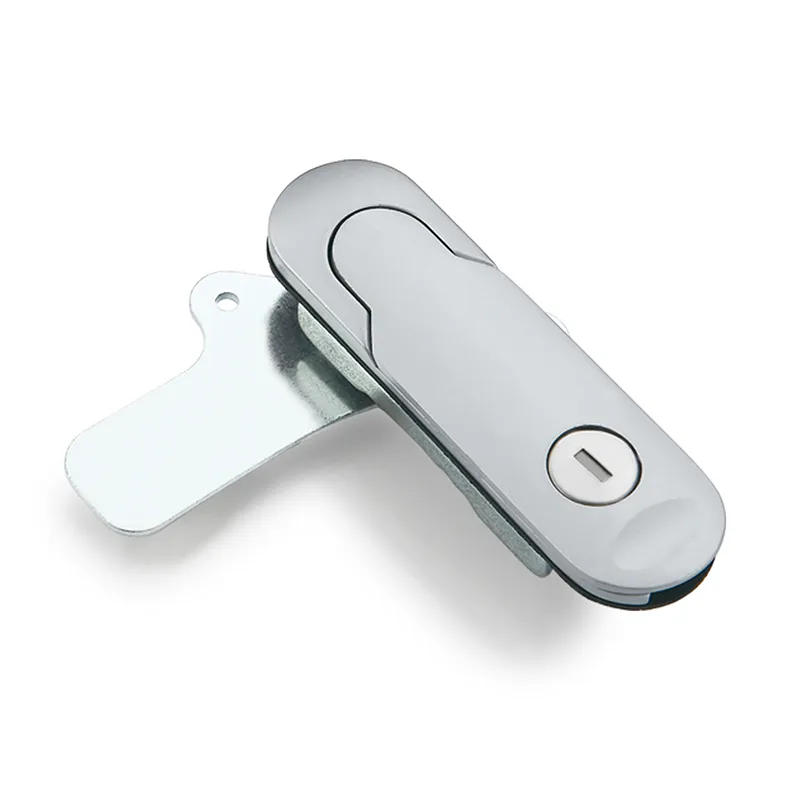
Another type is the Paddle Handle Latch. This lock uses a paddle - shaped handle. To unlock it, you simply lift the paddle. The paddle is connected to a cam mechanism inside the lock. When you lift the paddle, the cam rotates, releasing the lock.
Paddle handle latches are known for their durability. The paddle is made of a strong material that can withstand a lot of wear and tear. And because the operation is so simple, there are fewer moving parts that can break down. This makes it a reliable choice for plane water tank access.
Quarter Turn Cam Latch with Paddle
The Quarter Turn Cam Latch with Paddle is a bit more sophisticated. It combines the features of a quarter - turn lock and a paddle handle. To unlock it, you turn the paddle a quarter - turn. This rotates a cam inside the lock, which then disengages the locking mechanism.
This type of lock offers a high level of security. The quarter - turn motion requires a deliberate action, so it's less likely to be opened accidentally. And the cam mechanism provides a strong and stable locking force, ensuring that the access panel stays closed even under extreme conditions.
How the Locks are Tested and Certified
Before any of our locks are installed on a plane, they go through a rigorous testing process. We test them for strength, durability, and functionality. The locks are subjected to simulated flight conditions, including high vibrations, temperature variations, and pressure changes.
We also make sure that our locks meet all the relevant aviation standards. These standards are in place to ensure the safety and reliability of aircraft components. Once a lock passes all the tests and meets the standards, it gets certified for use on planes.

Maintenance and Care of Plane Water Tank Access Locks
Proper maintenance is key to keeping these locks working well. Pilots and maintenance crews should regularly inspect the locks for any signs of damage or wear. If they notice any issues, like a loose handle or a sticking locking mechanism, they should report it right away.
Lubrication is also important. Over time, the moving parts of the lock can start to dry out, which can cause them to malfunction. Using a high - quality lubricant can help keep the lock operating smoothly.
The Role of a Supplier in Ensuring Lock Performance
As a plane lock supplier, our job doesn't end with just selling the locks. We also provide support and advice to our customers. If an airline or maintenance facility has any questions about how to install, use, or maintain the locks, we're there to help.
We also keep up with the latest technological advancements in lock design. We're constantly looking for ways to improve the performance and reliability of our locks. For example, we're exploring the use of new materials that are lighter and stronger, and we're working on developing more advanced locking mechanisms.
Conclusion
So, there you have it! That's how a plane water tank access lock functions. Whether it's a push - button handle lock, a paddle handle latch, or a quarter - turn cam latch with paddle, each type has its own unique features and benefits.
If you're in the market for plane locks, whether it's for water tank access or other applications, we'd love to talk to you. We've got a wide range of high - quality locks that are designed to meet the strict requirements of the aviation industry. Don't hesitate to reach out for a chat about your needs and how we can help you.
References
- Aviation Maintenance Manuals
- Industry Standards for Aircraft Locks


