

A plane ventilation duct access lock is a crucial component in the aviation industry, ensuring the safety and functionality of aircraft ventilation systems. As a leading plane lock supplier, we understand the importance of these locks and how they work to maintain the integrity of the ventilation ducts. In this blog, we will delve into the intricacies of how a plane ventilation duct access lock operates, the different types available, and why they are essential for aircraft safety.
The Basics of Plane Ventilation Duct Access Locks
Plane ventilation duct access locks are designed to secure the access panels of ventilation ducts in an aircraft. These ducts play a vital role in maintaining the air quality and temperature inside the cabin, as well as providing fresh air to the various compartments of the plane. The access locks ensure that these panels remain closed during flight, preventing any air leakage or foreign object intrusion that could compromise the ventilation system's performance.
The primary function of a plane ventilation duct access lock is to provide a reliable and secure closure mechanism. It must be able to withstand the high pressures and vibrations experienced during flight, as well as resist corrosion and wear. Additionally, these locks need to be easy to operate for maintenance personnel, allowing them to access the ducts quickly and efficiently when necessary.
How Does a Plane Ventilation Duct Access Lock Work?
The operation of a plane ventilation duct access lock can vary depending on the type of lock used. However, most locks follow a similar basic principle. They typically consist of a locking mechanism, a handle or actuator, and a mounting bracket.

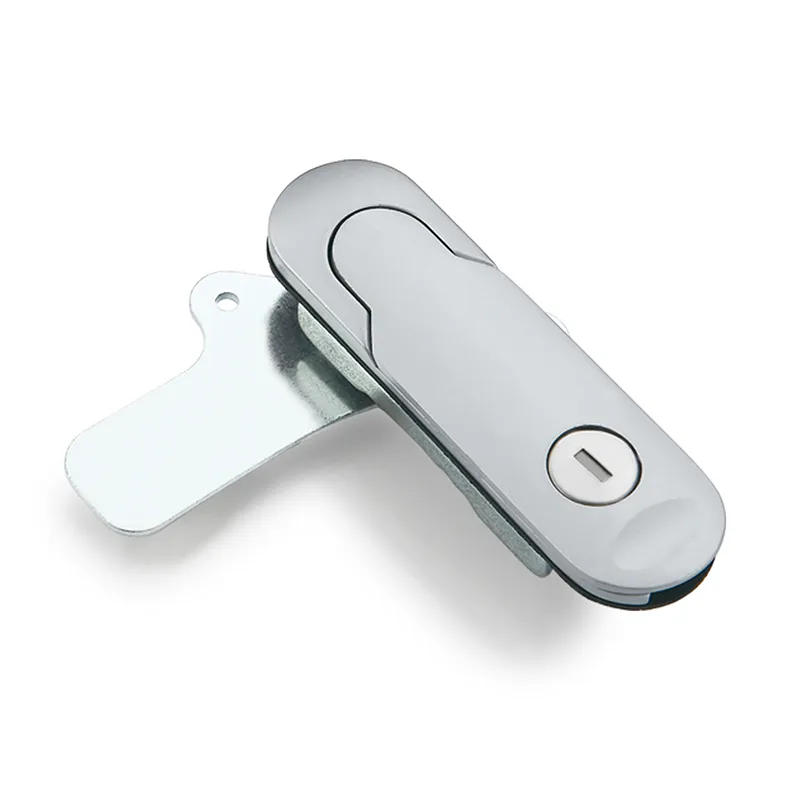
When the lock is in the closed position, the locking mechanism engages with the access panel, preventing it from opening. This can be achieved through various means, such as a latch, a cam, or a keyed mechanism. The handle or actuator is used to operate the lock, either by turning, pulling, or pushing it. When the handle is moved, it activates the locking mechanism, releasing the access panel and allowing it to be opened.
Some plane ventilation duct access locks are designed to be keyed, providing an additional layer of security. These locks require a specific key to operate, ensuring that only authorized personnel can access the ducts. Keyed locks are commonly used in areas where sensitive equipment or systems are located, such as the avionics bay or the cargo hold.
Types of Plane Ventilation Duct Access Locks
There are several types of plane ventilation duct access locks available on the market, each with its own unique features and benefits. Some of the most common types include:
- Keyed Compression Lever Latch: This type of lock uses a lever mechanism to compress the access panel against the frame, providing a secure and tight seal. The keyed feature allows for controlled access, making it ideal for applications where security is a concern.
- Paddle Handle Latch: Paddle handle latches are easy to operate and provide a quick-release mechanism. They are commonly used in applications where frequent access is required, such as in the cabin ventilation system.
- Clamping Plane Lock: Clamping plane locks use a clamping mechanism to secure the access panel. They are designed to provide a high level of holding force, making them suitable for applications where the panel needs to be tightly sealed.
Why Are Plane Ventilation Duct Access Locks Important?
Plane ventilation duct access locks are essential for several reasons. Firstly, they ensure the safety and reliability of the aircraft's ventilation system. By preventing air leakage and foreign object intrusion, these locks help to maintain the proper functioning of the ducts, which is crucial for the comfort and well-being of passengers and crew.
Secondly, plane ventilation duct access locks play a vital role in preventing potential hazards. In the event of a fire or other emergency, the ventilation system can help to remove smoke and fumes from the cabin, providing a clear path for evacuation. If the access panels are not properly secured, they could open during flight, allowing smoke and fumes to spread throughout the aircraft.
Finally, plane ventilation duct access locks are important for regulatory compliance. Aviation authorities have strict regulations regarding the safety and maintenance of aircraft ventilation systems. Using high-quality, reliable access locks is essential for meeting these regulations and ensuring the airworthiness of the aircraft.
Conclusion
In conclusion, plane ventilation duct access locks are a critical component in the aviation industry. They provide a secure and reliable closure mechanism for the access panels of ventilation ducts, ensuring the safety and functionality of the aircraft's ventilation system. As a plane lock supplier, we offer a wide range of high-quality locks to meet the diverse needs of our customers. Whether you need a keyed compression lever latch, a paddle handle latch, or a clamping plane lock, we have the solution for you.
If you are interested in learning more about our plane ventilation duct access locks or would like to discuss your specific requirements, please do not hesitate to contact us. Our team of experts is available to provide you with detailed information and assistance, and we look forward to working with you to ensure the safety and reliability of your aircraft.
References
- Aircraft Maintenance Manuals
- Aviation Safety Regulations
- Industry Standards for Plane Locks


