

In the realm of aviation, security is of paramount importance. Every component of an aircraft, from the smallest bolt to the most sophisticated navigation system, plays a crucial role in ensuring the safety of passengers and crew. As a leading plane lock supplier, I often find myself contemplating the integration of plane locks with the aircraft's security system. This blog post aims to explore the feasibility, benefits, and challenges of such an integration.
The Need for Integration
Aircraft security is a multi - faceted concept that encompasses various aspects, including access control, protection against unauthorized entry, and the prevention of tampering. Plane locks are an essential part of this security infrastructure, as they control access to critical areas of the aircraft, such as cargo holds, avionics bays, and maintenance compartments.
Integrating plane locks with the aircraft's security system can enhance overall security in several ways. Firstly, it allows for centralized control and monitoring of all locks on the aircraft. This means that security personnel can remotely lock or unlock doors and compartments, which is particularly useful in emergency situations or when quick access is required. For example, in the event of a security breach, all locks can be immediately locked down to prevent further unauthorized access.
Secondly, integration enables the collection of data related to lock usage. This data can be analyzed to detect patterns of access, identify potential security risks, and ensure compliance with security protocols. For instance, if a particular lock is accessed at an unusual time or by an unauthorized person, an alert can be sent to the security team.
Feasibility of Integration
From a technical perspective, integrating plane locks with the aircraft's security system is feasible. Modern plane locks are increasingly equipped with electronic components, such as sensors and communication modules, which can be interfaced with the aircraft's existing security infrastructure.
There are several types of plane locks that are suitable for integration. For example, the Quarter Turn Cam Latch with Paddle is a popular choice. It offers a simple yet effective locking mechanism that can be easily integrated with electronic control systems. The latch can be actuated remotely, and its status can be monitored in real - time.
Another option is the Quarter Turn Cam Lock with Key. While it still uses a traditional key for manual operation, it can also be equipped with an electronic interface for integration with the security system. This allows for dual - mode operation, providing both convenience and enhanced security.
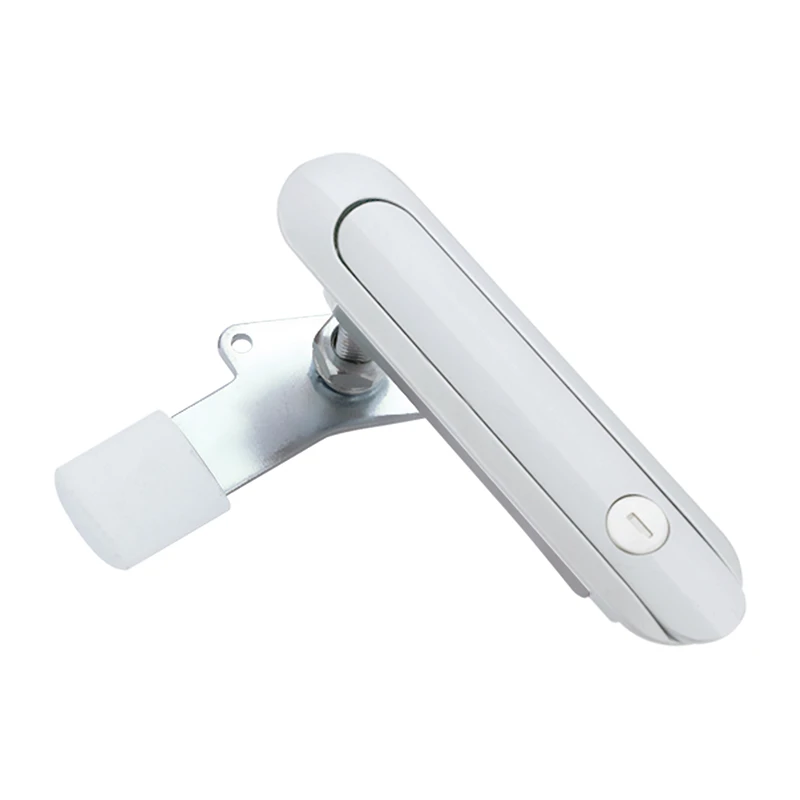

The Paddle Quarter Turn Lock is also well - suited for integration. Its design allows for easy installation and connection to electronic control units, making it a practical choice for aircraft applications.
Benefits of Integration
The integration of plane locks with the aircraft's security system offers numerous benefits beyond enhanced security. One of the main advantages is improved operational efficiency. With centralized control, maintenance crews can quickly access the necessary compartments without the need for multiple keys or manual unlocking procedures. This saves time and reduces the risk of errors during maintenance operations.
In addition, integration can enhance passenger safety. For example, in the event of an emergency evacuation, all locks can be automatically unlocked to ensure quick and unobstructed access to emergency exits. This can potentially save lives in critical situations.
Moreover, integrating plane locks can lead to cost savings in the long run. By reducing the need for physical keys and manual security checks, airlines can save on key management and labor costs. Additionally, the data collected from the integrated locks can be used to optimize security procedures, further reducing operational expenses.
Challenges of Integration
Despite the many benefits, there are also several challenges associated with integrating plane locks with the aircraft's security system. One of the main challenges is ensuring compatibility between different systems. Aircraft security systems are complex and often proprietary, which can make it difficult to integrate third - party plane locks. Manufacturers need to work closely with aircraft designers and security system providers to ensure seamless integration.
Another challenge is security itself. As plane locks become more connected, they are also more vulnerable to cyber - attacks. Hackers could potentially gain access to the lock control system, compromising the security of the aircraft. Therefore, strict security measures, such as encryption and authentication protocols, need to be implemented to protect the integrity of the integrated system.
Reliability is also a concern. Aircraft operate in harsh environments, including extreme temperatures, vibrations, and high - altitude conditions. Plane locks need to be able to withstand these conditions and function reliably at all times. Any failure in the lock system could have serious consequences for the safety and security of the aircraft.
Overcoming the Challenges
To overcome the compatibility challenge, standardization efforts are underway in the aviation industry. Manufacturers are working towards developing common interfaces and protocols that will allow for easier integration of different security components. This will enable plane lock suppliers to design products that are more readily compatible with a wide range of aircraft security systems.
To address the security risk, advanced cybersecurity measures are being implemented. This includes the use of encryption algorithms to protect data transmitted between the locks and the security system, as well as regular security audits and updates to prevent vulnerabilities.
For reliability, plane lock manufacturers are investing in research and development to improve the durability and performance of their products. They are using high - quality materials and advanced manufacturing techniques to ensure that the locks can withstand the harsh operating conditions of aircraft.
Conclusion
In conclusion, the integration of plane locks with the aircraft's security system is both feasible and beneficial. It offers enhanced security, improved operational efficiency, and cost savings. However, there are also challenges that need to be addressed, such as compatibility, security, and reliability.
As a plane lock supplier, I am committed to working with the aviation industry to overcome these challenges and provide innovative solutions for integrated aircraft security. If you are interested in learning more about our plane locks and how they can be integrated with your aircraft's security system, please feel free to contact us for a detailed discussion and potential procurement. We look forward to partnering with you to enhance the security and safety of your aircraft.
References
- Aviation Security Handbook, International Civil Aviation Organization (ICAO)
- Aircraft Systems Design and Integration, NASA Technical Reports


