

Are there any safety features in a plane lock to prevent accidental opening?
Hey there! I'm an industry insider, and I run a plane lock supply business. Over the years, I've gotten a ton of questions about plane locks, and one that comes up a lot is whether there are safety features to stop them from opening by accident. Well, let's dig into this topic.
First off, plane locks are super important for aviation safety. You can't have a door or a compartment on a plane just popping open mid - flight. That's a recipe for disaster! So, manufacturers, including us, go to great lengths to build in safety features.
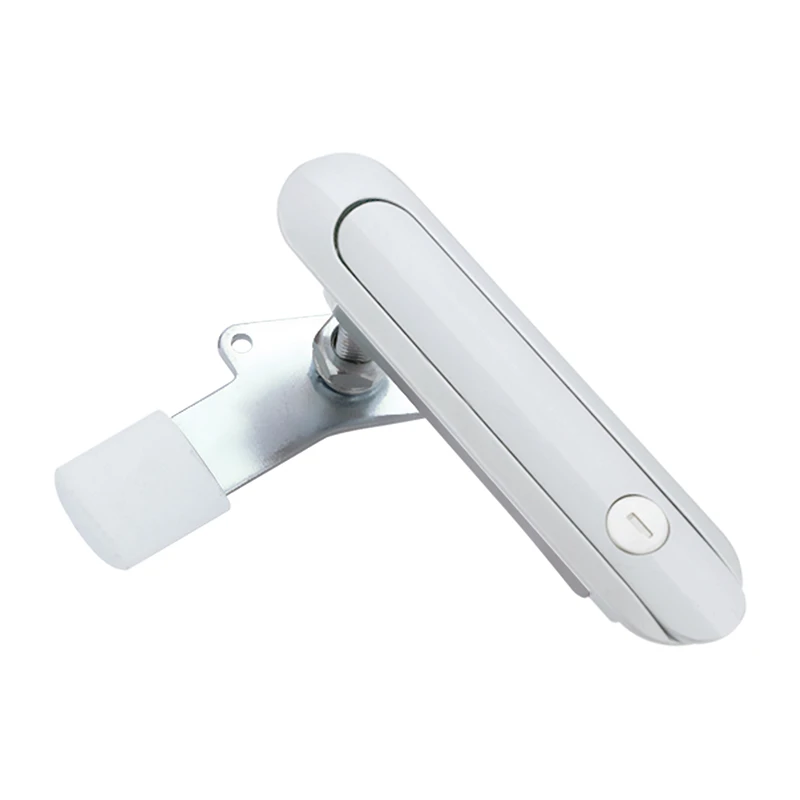
One of the most common safety features is the use of multi - stage locking mechanisms. Take the Paddle Quarter Turn Lock for example. This type of lock usually has a quarter - turn action, but it's not as simple as just giving it a quick spin. There are often additional steps involved. Maybe you have to press a button or a lever while turning the paddle. This extra step makes it much less likely that the lock will open accidentally. For instance, if there's a bit of vibration or a bump during takeoff or landing, the lock won't just turn on its own because of that extra action required.
Another key safety feature is the use of high - quality materials. We don't skimp on the stuff we use to make our plane locks. Strong alloys and durable plastics are chosen for their ability to withstand extreme conditions. In aviation, you're dealing with high altitudes, where the air pressure is low, and temperatures can be freezing. These conditions can put a lot of stress on the lock. If the materials aren't up to the task, the lock could malfunction and open unexpectedly. Our locks are designed to be tough, so they can handle the rigors of flight.
The Keyed Compression Lever Latch is a great example of a lock that uses both multi - stage operation and high - quality materials. The keyed part adds an extra layer of security. Only authorized personnel with the right key can open the lock. And the compression lever mechanism is designed to hold the door or compartment tightly shut. It compresses the seal around the opening, which not only keeps the lock secure but also helps with things like noise reduction and preventing air leakage.
Some plane locks also have anti - vibration features. Planes are noisy and vibrate a lot during flight. These vibrations can potentially cause a lock to loosen over time. To counter this, many locks are designed with special washers or dampeners. These components absorb the vibrations and prevent them from affecting the locking mechanism. The Quarter Turn Cam Latch with Paddle often has these anti - vibration features built in. The cam design provides a strong locking force, and the anti - vibration elements ensure that the lock stays in place, even when the plane is shaking around.
In addition to these mechanical safety features, there are also electronic safety features in some modern plane locks. For example, some locks are equipped with sensors that can detect if the lock is being tampered with or if there's an abnormal movement. If something seems off, an alarm can be triggered, and the plane's control system can be notified. This is especially important for high - security areas on the plane, like the cockpit or compartments with sensitive equipment.
Now, you might be wondering how we test these safety features. Well, we put our plane locks through a series of rigorous tests. We simulate different flight conditions, including extreme temperatures, high altitudes, and strong vibrations. We also test the locks for thousands of opening and closing cycles to make sure they don't wear out easily. Only after passing these tests are our locks approved for use in aviation.
So, to sum it up, yes, there are definitely safety features in plane locks to prevent accidental opening. From multi - stage locking mechanisms and high - quality materials to anti - vibration features and electronic sensors, we've got all bases covered.
If you're in the market for plane locks, whether you're an aircraft manufacturer, a maintenance company, or someone else in the aviation industry, we'd love to talk to you. We can provide you with the best plane locks that meet all your safety and security needs. Just reach out to us, and we can start a conversation about your specific requirements.
References

- Aviation Safety Manuals
- Industry Standards for Plane Locks
- Research Papers on Aircraft Locking Mechanisms


