

Hey there! As a plane lock supplier, I often get asked if plane locks are made of special materials. Well, let's dive right into it and find out.
First off, what exactly are plane locks? Plane locks are used in various industries, from aerospace to automotive, and even in some high - security buildings. They're designed to keep things secure and in place, whether it's a door on an aircraft or a panel in a vehicle.
So, do they use special materials? The short answer is yes, but it depends on the application. For aerospace applications, plane locks need to be extremely reliable and lightweight. After all, every extra pound on an aircraft can cost more in fuel. That's why a lot of plane locks in this industry are made from high - strength aluminum alloys. These alloys offer a great balance between strength and weight. They can withstand the high - stress conditions during flight, like vibrations, rapid changes in pressure, and temperature variations.
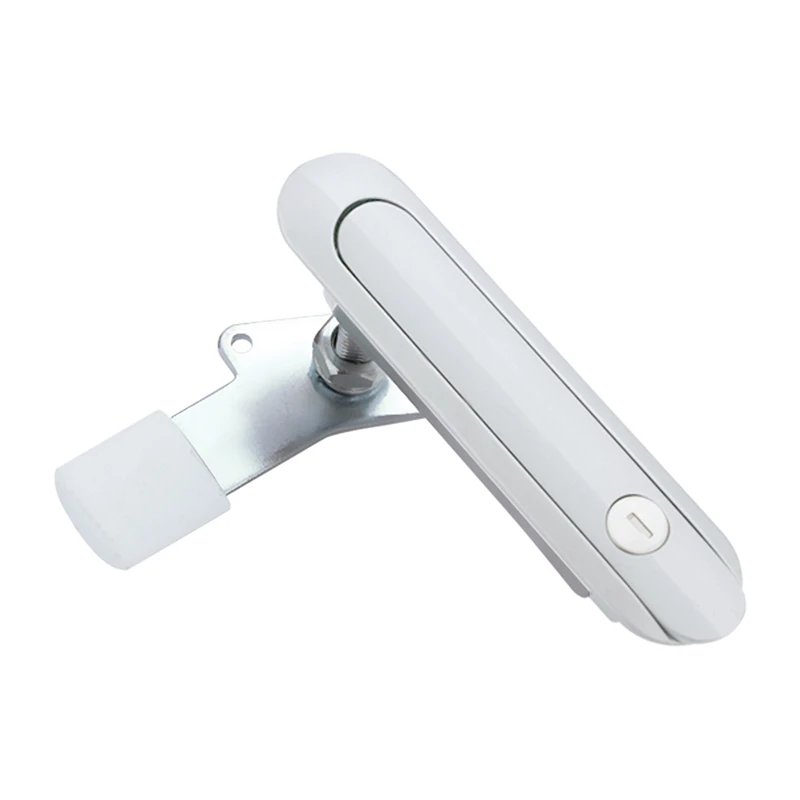
Take the Quarter Turn Cam Latch with Paddle for example. This type of lock is commonly used in aircraft compartments. The aluminum alloy used in its construction is treated to resist corrosion, which is crucial when you're flying through different weather conditions. It also has a smooth surface finish, which helps in easy operation, even with gloved hands.
In the automotive industry, plane locks also have their unique material requirements. Here, durability and cost - effectiveness are key. Many automotive plane locks are made from steel. Steel is known for its high strength and ability to withstand the wear and tear of daily use. Whether it's a car door lock or a trunk lock, steel can handle the repeated opening and closing without losing its functionality.
The Paddle Quarter Turn Lock is a popular choice in cars. The steel used in this lock is often coated with a layer of zinc or other anti - rust materials. This coating not only protects the lock from rust but also gives it a nice, shiny appearance. And let's face it, in the automotive world, looks matter too.
Now, for high - security applications, such as in government buildings or data centers, plane locks need to be almost unbreakable. Here, materials like titanium come into play. Titanium is incredibly strong and lightweight, just like aluminum, but it has even better corrosion resistance and can withstand extreme forces. A Push Button Handle Lock made from titanium can provide a high level of security. It's difficult to break or tamper with, making it ideal for protecting sensitive areas.
But it's not just about the main body of the lock. The internal components, like the pins, springs, and tumblers, also use special materials. For example, the springs in a plane lock are usually made from high - carbon steel. This type of steel can store and release energy efficiently, ensuring that the lock operates smoothly. The pins and tumblers are often made from brass or bronze, which are both durable and resistant to wear.
Another important factor in the choice of materials is the manufacturing process. Some materials are easier to machine than others. For instance, aluminum alloys can be easily cast or machined into complex shapes. This allows for the production of plane locks with intricate designs that can fit specific applications. Steel, on the other hand, may require more advanced machining techniques, but it can still be shaped into the desired lock components.
When it comes to the surface finish of plane locks, there are also different options. A powder - coated finish is common for both aluminum and steel locks. It provides a tough, protective layer that can resist scratches and fading. Anodizing is another popular finish for aluminum locks. It not only enhances the corrosion resistance but also gives the lock a more aesthetically pleasing look.
So, as you can see, plane locks are indeed made of special materials. These materials are carefully selected based on the specific requirements of the application, whether it's in aerospace, automotive, or high - security settings.
If you're in the market for plane locks, whether it's for a small project or a large - scale industrial application, I'd love to have a chat with you. We've got a wide range of plane locks made from the best materials available. Just reach out to me, and we can discuss your needs in detail. Whether you need a lock that's lightweight, durable, or highly secure, we've got you covered.

In conclusion, the materials used in plane locks play a crucial role in their performance and functionality. From the high - tech alloys in aerospace to the reliable steel in automotive, each material is chosen for a specific reason. And as a plane lock supplier, I'm always excited to share my knowledge and help you find the perfect lock for your needs. So, don't hesitate to get in touch and start the conversation about your plane lock requirements.
References
- "Materials Science and Engineering: An Introduction" by William D. Callister Jr. and David G. Rethwisch
- Industry reports on aerospace and automotive lock manufacturing.


